
By: djamel benali
What is unfolding in the Gulf is not merely a military escalation. It marks the opening of a new geopolitical confrontation in which energy routes, shipping lanes, and global supply chains become the real battlefield. With Iran’s decision to close the Strait of Hormuz, the conflict has moved beyond missiles and airstrikes into what can be described as a war of containers and tankers, a struggle capable of shaking the foundations of the global economy.
The Strait of Hormuz is not simply a narrow maritime passage separating Iran from Oman. It is the most critical energy chokepoint in the world. Nearly a fifth of global oil trade passes through this corridor every day, carrying crude oil and gas from the Gulf toward the industrial centers of Asia and Europe. When navigation through this passage is disrupted, the consequences are immediate and global. Ships slow or stop, insurance premiums surge, and markets react with anxiety.
The closure of the strait has already triggered a sharp surge in oil prices. Crude quickly approached the symbolic threshold of one hundred dollars per barrel as traders reacted to fears of supply shortages. Some analysts warn that prices could climb even higher if the crisis continues, especially if shipping companies begin diverting routes or suspending operations in the region.
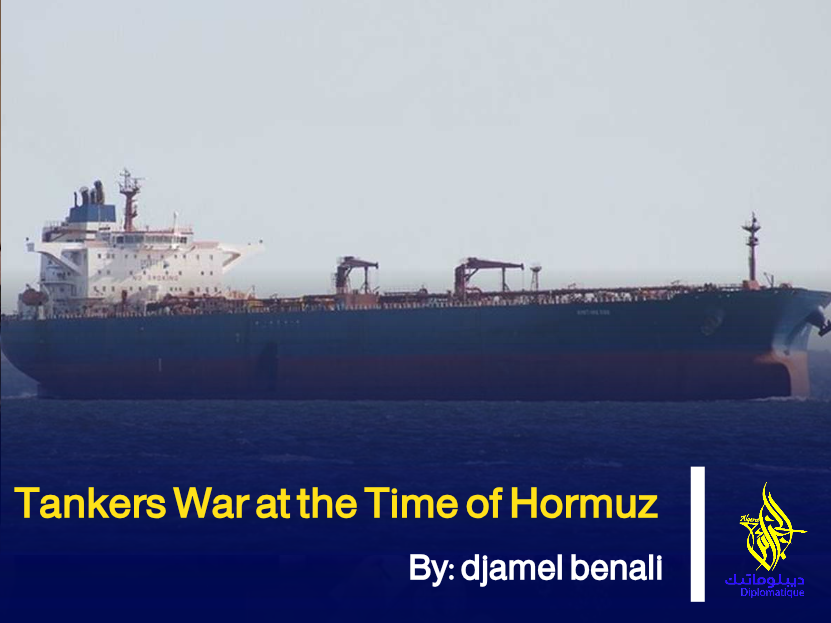
In this context the current crisis is rapidly evolving into what might be called the “Container War.” Cargo ships and oil tankers have suddenly become strategic instruments in a broader geopolitical struggle.
Global shipping companies are reconsidering routes, delaying departures, or temporarily suspending voyages through the Gulf. Maritime insurers are raising premiums dramatically as the risk level increases across one of the most vital shipping corridors on the planet.
For the United States the consequences are not only strategic but economic as well. In an attempt to calm global markets and prevent a dramatic spike in fuel prices, Washington has turned to its strategic petroleum reserves, releasing millions of barrels of oil to stabilize supply and reassure international markets.
Such measures can soften the shock, but they remain temporary solutions. Strategic reserves can ease shortages for a time, yet they cannot replace the steady flow of energy that normally crosses the Strait of Hormuz every day.
Beyond the immediate rise in oil prices lies a deeper concern: the possibility of a new global inflationary wave. Energy remains the backbone of modern economies, and any sustained increase in its cost spreads rapidly through every sector.
Transportation becomes more expensive, manufacturing costs rise, and agricultural production becomes more costly due to higher fuel and fertilizer prices. What begins as a maritime blockade can therefore transform into a worldwide economic disturbance.
History has repeatedly shown that conflicts in the Middle East rarely remain confined to the battlefield. They extend into global markets, shipping lanes, and energy systems.
Today’s crisis appears to follow that same pattern, but in a far more interconnected world where supply chains stretch across continents and where disruptions in one narrow strait can affect billions of people.
In the end, the issue at stake goes beyond the immediate confrontation in the Gulf. It concerns the stability of the global energy order itself.
When the Strait of Hormuz closes, oil stops flowing, container ships hesitate at sea, financial markets tremble, and the world is reminded that a narrow stretch of water can influence the destiny of the global economy.