
Actualités
Diplomacy at the Iftar Table: Saudi Ambassador in Algiers Hosts Political and Media Figures in a Ram... The UAE and the Engineering of Systematic Chaos: Planting Discord, Looting Resources, and Destabiliz... Algérie/Royaume-Uni Un forum, une exposition et une rencontre à la Chambre des Lords pour dynamiser ... Déclaration de Son Excellence l'Ambassadeur Ben Jamaa Ammar devant le Conseil de sécurité Norway pleads for the entry of humanitarian aid into Gaza Visite du ministre de la Santé à Oum El Bouaghi : réponse rapide et action sur le terrain après l’in... Les échos positifs de la nomination du professeur Mohamed Seddik Aït Messaoudene comme ministre de l... La norvége condamne l'agression israélienne contre qatar Norway condemns the aggression against Qatar The Embassy of India in Algeria celebrates the 79th Independence Day of India Le Chargé d’Affaires de l’ambassade de France en Algérie convoqué au ministère des Affaires Etrangèr... La Norvège contribue à hauteur de 200 millions de couronnes norvégiennes à l'aide budgétaire à la Pa... Norway contributes NOK 200 million in budget support to Palestine Algerian Television Triumphs with Five Awards at the Arab Festival under Mohamed Baghali’s Leadershi... La télévision algérienne brille au Festival arabe et remporte cinq prix prestigieux sous la directio... Cour africaine des droits de l’Homme : la magistrate Chafika Bensaoula élue vice-présidente Sahara occidental: l'Algérie regrette le soutien du Royaume-Uni au prétendu plan d’autonomie marocai... Les officines françaises poursuivent la gestion des relations algéro-françaises par des fuites organ... Timor-Leste : le droit du peuple sahraoui à l'autodétermination réaffirmé avec force au séminaire an... «Peut-être»: Donald Trump Junior n'exclut pas de se présenter à la présidence un jour
Opinions et analyses

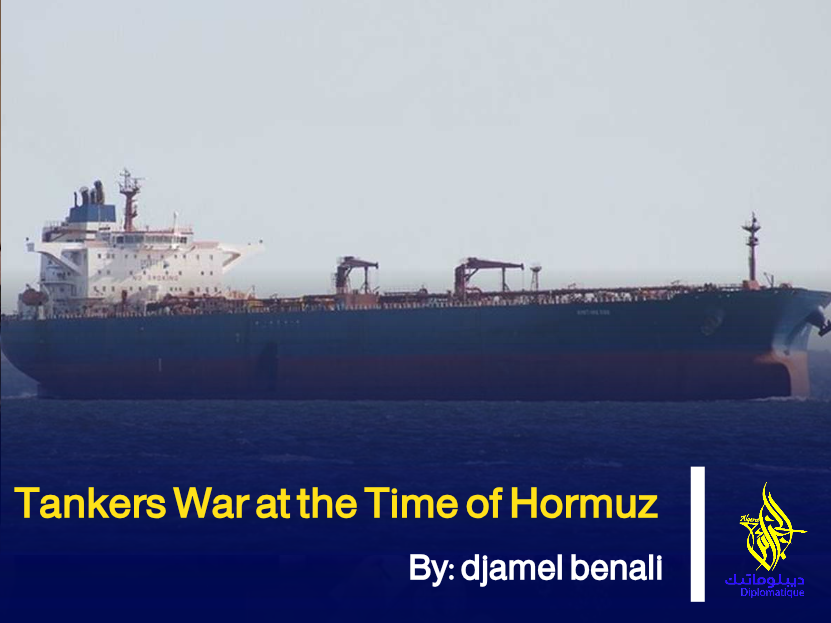
Tankers War at the Time of Hormuz

By: djamel benali

What is unfolding in the Gulf is not merely a military escalation. It marks the opening of a new geopolitical confrontation in which energy routes, shipping lanes, and global supply chains become the real battlefield. With Iran’s decision to close the Strait of Hormuz, the conflict has moved beyond missiles and airstrikes into what can be described as a war of containers and tankers, a struggle capable of shaking the foundations of the global economy.

The Strait of Hormuz is not simply a narrow maritime passage separating Iran from Oman. It is the most critical energy chokepoint in the world. Nearly a fifth of global oil trade passes through this corridor every day, carrying crude oil and gas from the Gulf toward the industrial centers of Asia and Europe. When navigation through this passage is disrupted, the consequences are immediate and global. Ships slow or stop, insurance premiums surge, and markets react with anxiety.

The closure of the strait has already triggered a sharp surge in oil prices. Crude quickly approached the symbolic threshold of one hundred dollars per barrel as traders reacted to fears of supply shortages. Some analysts warn that prices could climb even higher if the crisis continues, especially if shipping companies begin diverting routes or suspending operations in the region.

In this context the current crisis is rapidly evolving into what might be called the “Container War.” Cargo ships and oil tankers have suddenly become strategic instruments in a broader geopolitical struggle.

Global shipping companies are reconsidering routes, delaying departures, or temporarily suspending voyages through the Gulf. Maritime insurers are raising premiums dramatically as the risk level increases across one of the most vital shipping corridors on the planet.

For the United States the consequences are not only strategic but economic as well. In an attempt to calm global markets and prevent a dramatic spike in fuel prices, Washington has turned to its strategic petroleum reserves, releasing millions of barrels of oil to stabilize supply and reassure international markets.

Such measures can soften the shock, but they remain temporary solutions. Strategic reserves can ease shortages for a time, yet they cannot replace the steady flow of energy that normally crosses the Strait of Hormuz every day.

Beyond the immediate rise in oil prices lies a deeper concern: the possibility of a new global inflationary wave. Energy remains the backbone of modern economies, and any sustained increase in its cost spreads rapidly through every sector.

Transportation becomes more expensive, manufacturing costs rise, and agricultural production becomes more costly due to higher fuel and fertilizer prices. What begins as a maritime blockade can therefore transform into a worldwide economic disturbance.

History has repeatedly shown that conflicts in the Middle East rarely remain confined to the battlefield. They extend into global markets, shipping lanes, and energy systems.

Today’s crisis appears to follow that same pattern, but in a far more interconnected world where supply chains stretch across continents and where disruptions in one narrow strait can affect billions of people.

In the end, the issue at stake goes beyond the immediate confrontation in the Gulf. It concerns the stability of the global energy order itself.

When the Strait of Hormuz closes, oil stops flowing, container ships hesitate at sea, financial markets tremble, and the world is reminded that a narrow stretch of water can influence the destiny of the global economy.
Djamel Benali

Journaliste, fondateur et directeur général d'Algérie Diplomatique Journaliste et membre fondateur de l'hebdomadaire Al-Shorouk Al-Arabi 1991-1994 Correspondant d'Al-Shorouk à Washington 1997 Journaliste spécialiste chargé des dialogues politiques 2002 Rejoint la télévision publique algérienne - Enquêteur - Monteur 2003-2013, Rédacteur en chef d'une émission à la une, producteur et animateur d'une émission dans le contexte 2009-2011 Rédacteur en chef central des émissions spécialisées et des grands reportages 2009-2014 Producteur de talk-shows Rencontre hebdomadaire pour la télévision algérienne Journaliste chargé des dialogues politiques et diplomatiques 2014-2019 Membre fondateur de Desire News Channel et rédacteur en chef central des émissions spécialisées et des grands reportages 2016-2018 Directeur des Programmes Spécialisés et des Grands Reportages chez Al Shorouk News Channel 2016 Fondateur et directeur général du site d'information algérien Diplomatic en arabe et en français 2020-2021 Directeur et fondateur du nouveau site d'information de la télévision algérienne, producteur et présentateur de programmes (Dibergtg) 2021 affecté à une mission auprès du directeur général de la télévision algérienne. Collaborateur de plusieurs journaux nationaux et arabes. Message de l'Atlas, Voix du Libre - Echo des stades - Ecrivain arabe - Correspondant de la télévision Al-Sa'a d'Algérie - représentant littéraire de Mme Anissa Boumediene, veuve de feu le Président Houari Boumediene 1994-1996 : Conseiller média du champion du monde et olympique Noureddine Morsli de 1993 à 2000. Auteurs : Auteur de 'Témoins et Bilan', présenté par Abdel Hamid Mahri. Dr Talib Ibrahimi Livres imprimés : avant la conversation. Entrevues télévisées.

Articles similaires

Laisser un commentaire

Votre adresse e-mail ne sera pas publiée. Les champs obligatoires sont indiqués avec *

quatre × trois =

Bouton retour en haut de la page