By: djamel benali
In a rapidly changing world, a nation’s influence is no longer measured solely by its natural resources, but by its ability to build strategic partnerships and pursue effective diplomacy. Under the leadership of President Abdelmadjid Tebboune, Algeria is steadily shaping a foreign policy founded on sovereignty, mutual respect and balanced partnerships.
President Tebboune’s visit to Germany highlights Algeria’s growing importance as a strategic partner for Europe in energy, security, investment and industrial development. Berlin increasingly views Algeria not only as a reliable energy supplier, but also as a gateway to Africa and a key contributor to stability across the Mediterranean.
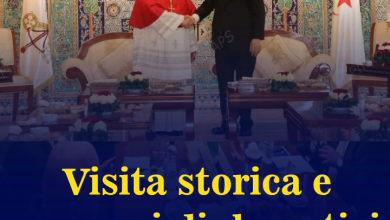
At the same time, Algeria’s relationship with Italy continues to deepen, becoming a model of strategic cooperation based on mutual trust and shared interests. From energy and infrastructure to industry, investment and cultural exchange, Rome and Algiers have built one of the strongest partnerships in the Mediterranean region.
The forthcoming visit of Spanish Prime Minister Pedro Sánchez to Algeria also carries significant political and economic importance. It reflects a shared determination to strengthen bilateral ties and expand cooperation, recognizing Algeria’s essential role in Europe’s energy security and the stability of the Western Mediterranean.
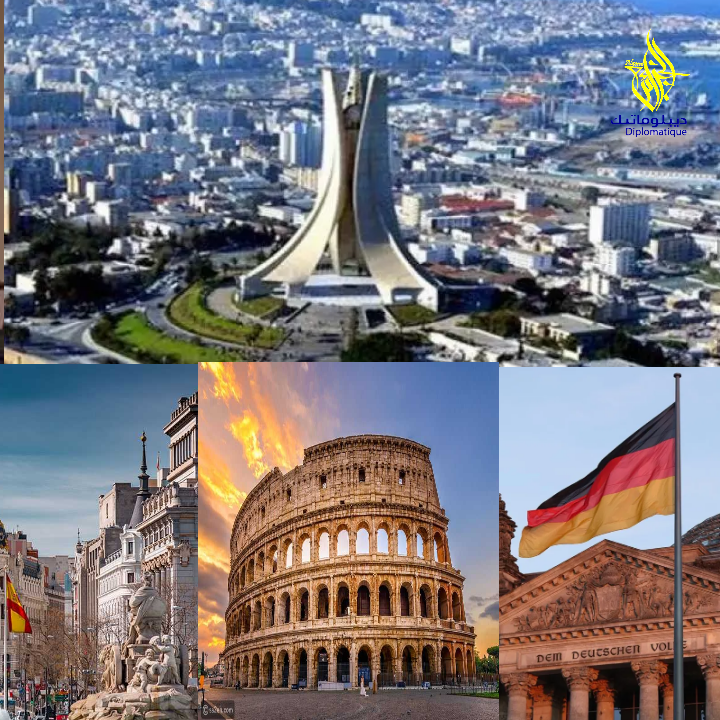
The convergence of Rome, Berlin and Madrid in Algeria’s diplomatic agenda is far from coincidental. It demonstrates that Algeria has regained a central position on the international stage through a pragmatic, balanced and respected foreign policy.
Today, all roads lead to Algeria—not because it seeks the spotlight, but because Europe increasingly recognizes that sustainable partnership, regional stability and Mediterranean prosperity begin with Algeria, a trusted partner and a leading regional power.